
In response to rising violence, African American pastors are leading efforts to secure churches with coordinated plans, uniformed officers, and clear protocols—protecting both people and sacred space.
Speaking Out News, online newspaper
BIRMINGHAM, Ala. — In the face of rising violence at places of worship across the U.S., African American churches—often central pillars in their communities—are taking a leading role in advancing church safety, according to new research from Lifeway.
A recent study shows that 81% of U.S. Protestant pastors say their church has some form of security during worship services. But the approaches vary widely. While more churches today rely on armed members, fewer are maintaining formal active shooter plans than they did three years ago.
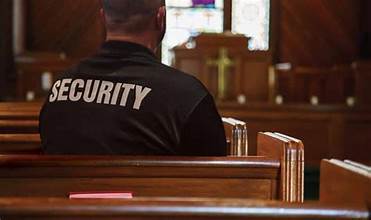
Amid this shift, African American pastors stand out for their strong emphasis on formal security strategies. They are three times more likely than white pastors to say they have uniformed police officers on-site (12% vs. 4%), and significantly more likely to use radio communication among security personnel (37% vs. 25%). They are also more inclined to maintain a no firearms policy inside their buildings (34% vs. 21%), reflecting a preference for structured, organized measures over informal ones.
“Churches are not immune to violence, disputes, or even targeted attacks,” said Scott McConnell, executive director of Lifeway Research. “Black pastors in particular are being proactive, recognizing the need to protect sacred spaces without sacrificing the spirit of welcome.”
These findings come at a time when churches are increasingly in the crosshairs. Tragic shootings at places like The Covenant School in Nashville and synagogues and temples nationwide have pushed pastors to reevaluate safety protocols.
While many churches—especially large ones—report having armed members or private security, African American pastors appear to be prioritizing visibility, communication, and coordination. These methods aim not only to deter violence but also to reassure congregants that their places of worship are safe and prepared.
Interestingly, fewer churches overall now report having a detailed active shooter plan than in 2019 (57%, down from 62%). This decline may reflect a post-COVID lag in restarting comprehensive planning, despite increased concerns over violence.
Yet in the South—where nearly half of all fatal church shootings have occurred since 1999—many pastors are expanding protections. Among those, Black churches continue to model a balanced response: welcoming the community while ensuring worship remains safe and sacred.