
By Megan Sayles, Afro Staff Writer, and Liz Ryan, Maryland Matters
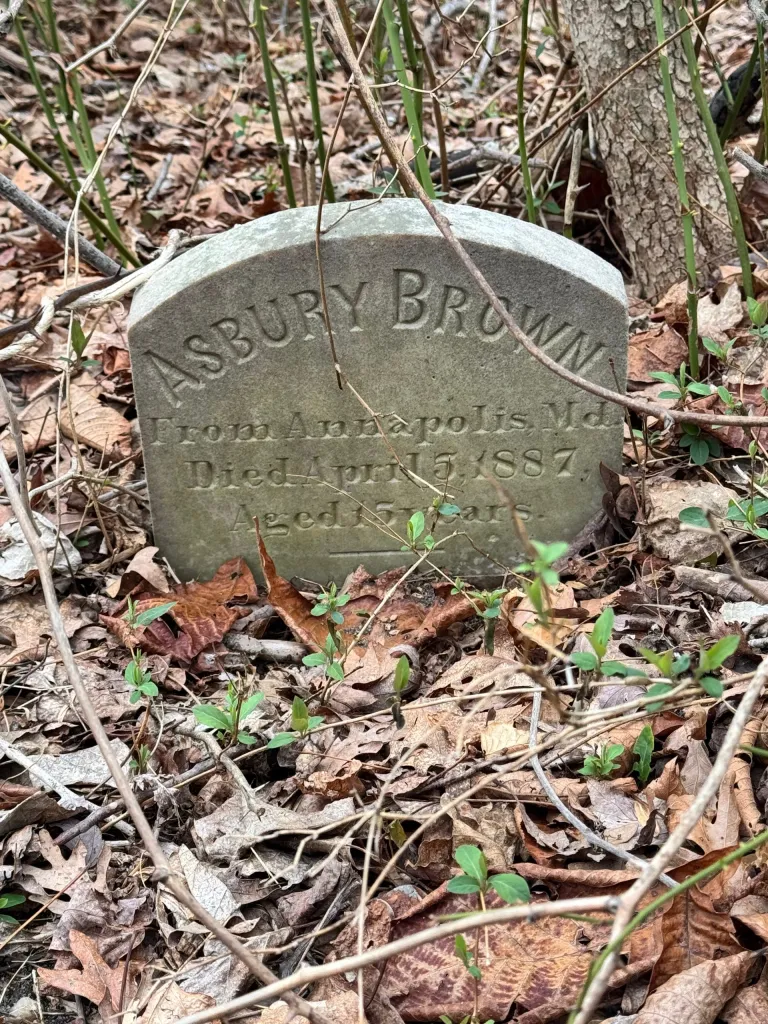
Members of the Legislative Black Caucus of Maryland (LBCMD) recently traveled to Prince George’s County to visit the remnants of an unmarked burial ground for at least 230 Black children who died there 150 years ago.
The site, overgrown and neglected, lies between the manicured grounds of Cheltenham Veterans Cemetery and state-run Cheltenham Youth Detention Center.
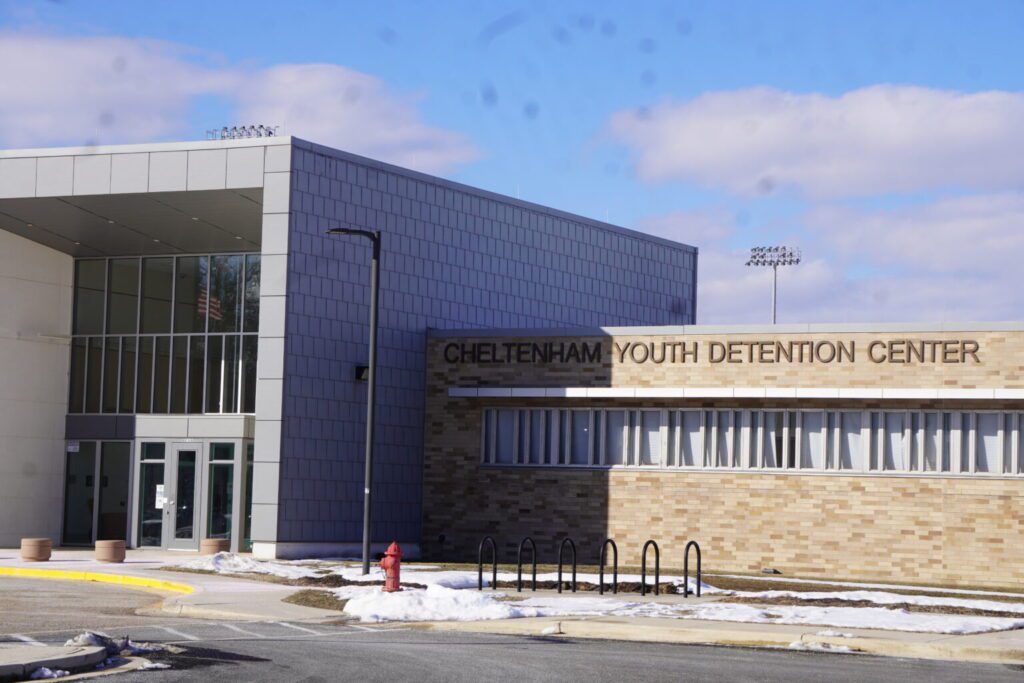
The children who are buried there were imprisoned at the facility when it was known as the House of Reformation and Instruction for Colored Boys. For lawmakers present, the visit was not only a commemoration of the lost young lives but also a call to restore and maintain the derelict cemetery and address ongoing inequities in Maryland’s juvenile justice system.
The discovery “has exposed uncomfortable truths not only about the state’s history of mistreating poor Black children in the justice system, but also about its ongoing, racially disproportionate practice of automatically charging young people accused of crime in the state’s adult criminal courts,” said Liz Ryan of Georgetown University who wrote an opinion piece for Maryland Matters, a nonprofit and nonpartisan news site.
The House of Reformation and Instruction for Colored Boys was opened in 1870, four decades after the Maryland General Assembly determined that children needed separate prison facilities from adults. It followed the opening of the House of Refuge in 1850, which was only open to White youth.
The Black children taken there, who were as young as 5 years old, were largely brought in on minor offenses, like vagrancy, petty theft, or running away from home. They were subjected to inhumane conditions, made to work the fields, and even leased out to area farms.
“One of the things that we want to do is make sure that this area is cleaned up,” said state Del. Jheanelle Wilkins (D-Md.-District 20), chair of the LBCMD. “I keep using the word ‘dignity,’ because that’s just really something that strikes me – the lack of dignity in their death and the lack of light around these lives that were taken. We’re making sure that as a Black caucus, we take the steps to repair what has taken place.”
Regardless of how they got there, these children were wards of the state, and the state failed in its duty to protect them, stressed Ryan, a Doris Duke Distinguished Visiting Fellow at the McCourt School of Public Policy at Georgetown.
Ryan said that “only a deep investigation” will give answers to questions about how the children died.
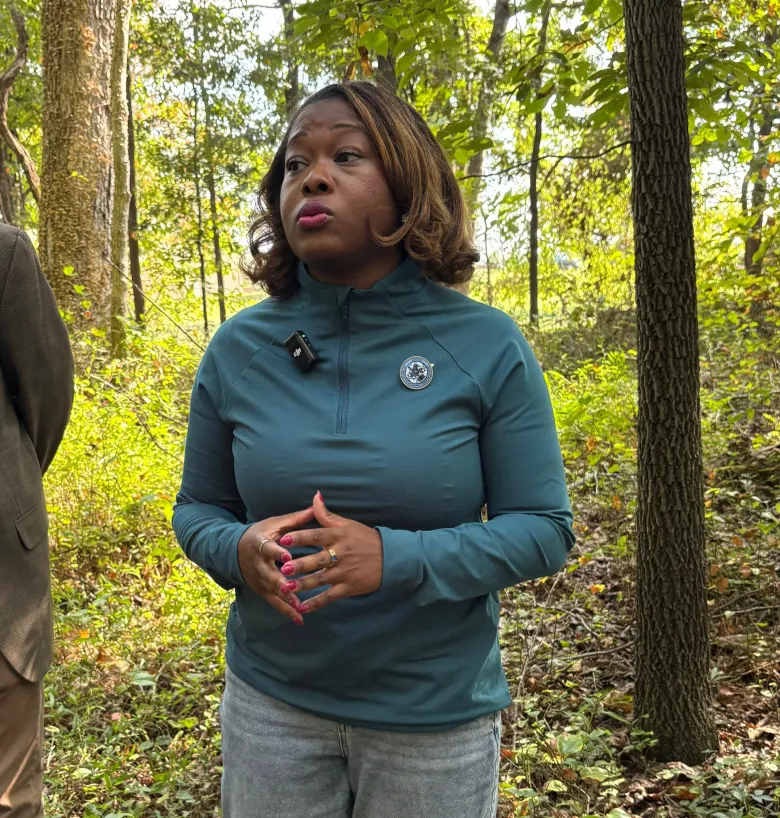
“But what is clear from these forgotten graves — in the woods, unmarked, half-buried beneath more than a century of fallen sticks and leaves — is that these children’s bodies were disposed of, thrown away, without an acknowledgement of who they were,” said Ryan who previously served as administrator of the Justice Department’s Office of Juvenile Justice & Delinquency Prevention (OJJDP), following appointment by President Joe Biden.
State Del. Michael A. Jackson (D-Md.-District 27), an LBCMD member, noted the difference in the names of the state’s juvenile facilities during that time. Whereas the facility for White children was framed as a place of refuge, the facility for Black children was presented as a place of reform – meant to correct behavior and teach discipline, but, in practice, imposing forced labor and punishment.
“Tell me, what are you reforming in people who weren’t allowed to be a person? They weren’t even allowed to be children. What are you reforming in them?” asked Jackson. “They were another form of chattel.”
And Maryland isn’t the only place with this hideous legacy, Ryan said.
More than a dozen years ago, archeologists at the University of South Florida made a similar shocking discovery at Florida’s youth prison, the Arthur G. Dozier School for Boys, of dozens of unknown graves of children who died there — nearly 100 children in the prison’s 100-year history.
Ryan said that the unmarked graves beside today’s Cheltenham Youth Detention Center expose an uncomfortable truth about how Black children’s lives are being thrown away by the state even now.
“Maryland automatically prosecutes more children in adult criminal court than every other state but Alabama,” she said. “The state’s Black children are five times more likely to be prosecuted in adult court than white youth, even when charged with similar offenses. More than 90% of youths tried as adults in Maryland are children of color; more than 80% are Black.”
Ryan said that if the goal is to make communities safer, research tells us that trying kids in adult courts doesn’t work. In fact, she said just the opposite is true: Young people tried in adult courts and placed in adult facilities are more likely to commit another offense — and a more serious one — compared to similar kids who stay in the youth system.
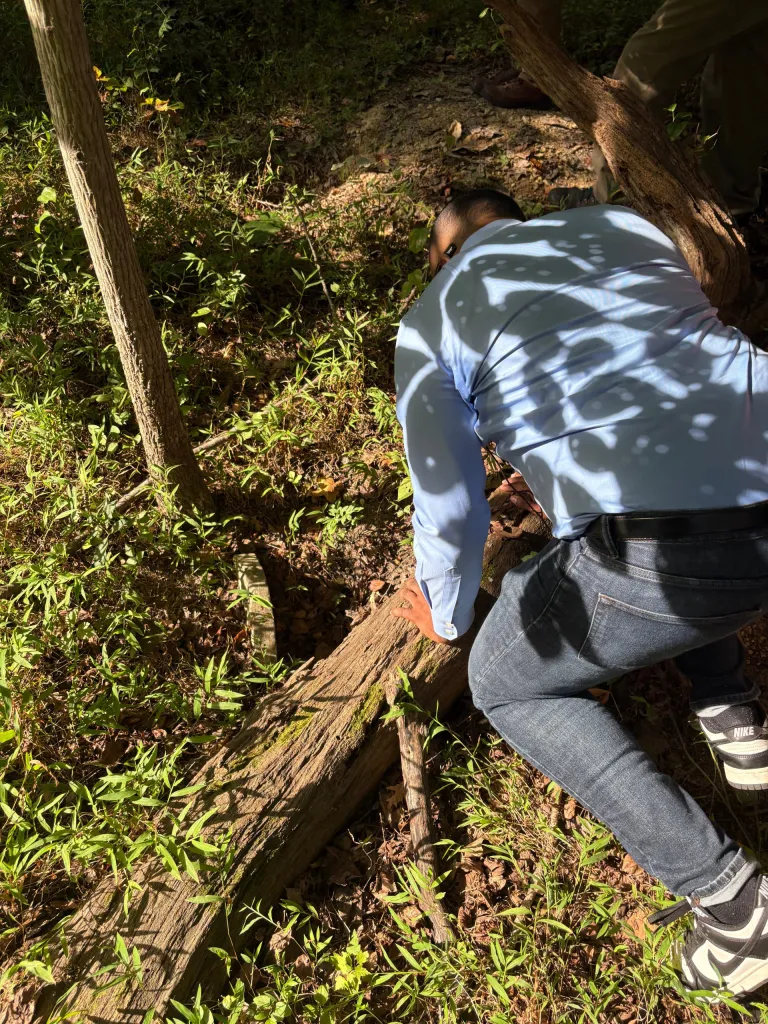
Black caucus members said some aspects of juvenile justice have improved over time but Cheltenham’s history serves as a stark reminder to the caucus of the urgent need for continued reform in Maryland’s criminal justice system.
One bill that the caucus will be pushing in the next legislative session seeks to overhaul Maryland’s treatment of juvenile offenders. Introduced by state Sen. Will Smith (D-Md.-District 20), the piece of legislation would raise the age at which juveniles can be automatically charged as adults from 14 to 16 and reduce the number of offenses that currently make 16-year-olds eligible for adult court.
Caucus members have also confirmed that Maryland Gov. Wes Moore has committed initial funding to secure the resources for the restoration and sustained maintenance of the burial ground.
Ryan said not only should Maryland “apologize for the dreadful sins of the past by cleaning up the cemetery,” but also work to identify who these children are, find and notify their families, and place headstones with the children’s names.
The Afro Newspaper article was first published Sept. 26, 2025. The Maryland Matters article was first published August 22.