
Local advocates, clergy demand a shift in generational values, leadership, societal stigmas in a New Era of Faith
By Jada Ingleton, The Washington Informer
As the nation grapples with a waging battle for democracy, communities of faith endure a concurrent trek to reform – revitalizing the relationship between young people and the church.
Amid mass spread organizations such as the extended “Target Target” boycott, announced by the Rt. Rev. Reginald T. Jackson to local churches in February, and the April 16 D.C. Emancipation Day Speakout (both birthed at Northwest’s historic Metropolitan AME Church), faith-based leaders embody the ancestral foundation of faith activism, while reminding prosperity depends on that of its future leaders.
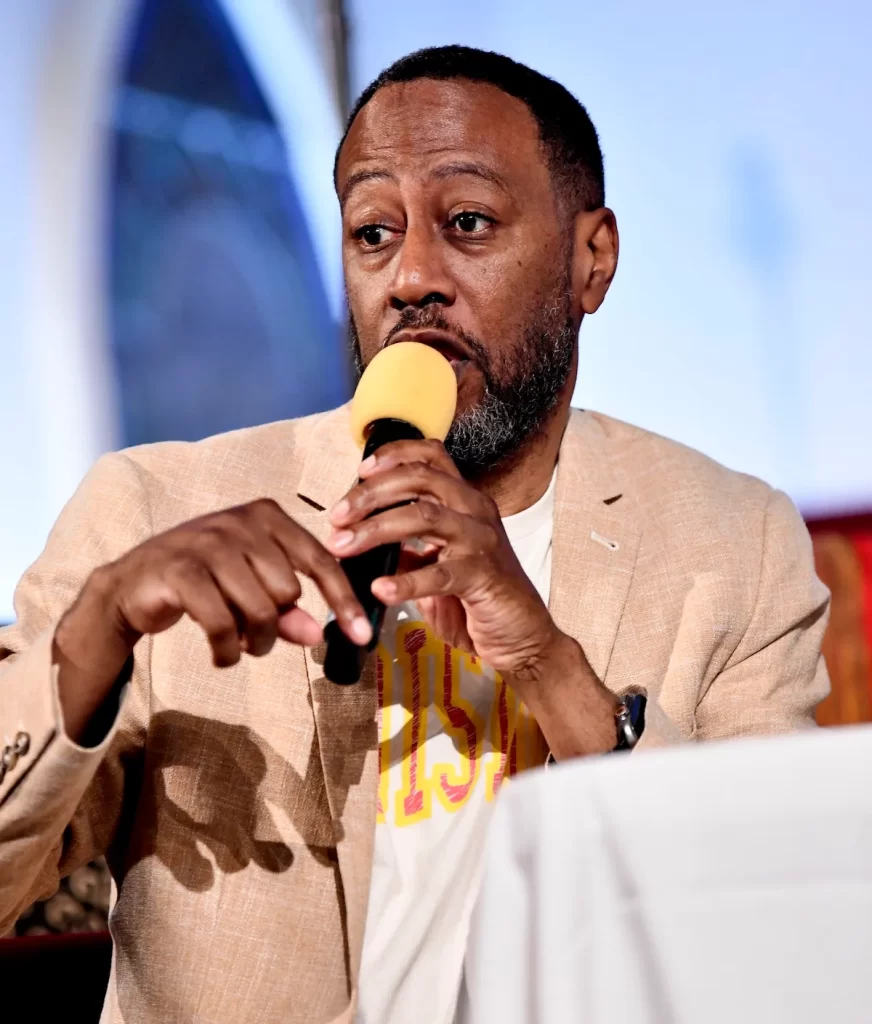
“Let’s go and have an honest conversation…tell them how much we need them, how valuable they are, and how much they have to offer,” said the Rev. Tony Lee, pastor of Community Hope AME Church, on April 16. “The reality is we’re not going to be able to have longevity for this movement if we don’t get these young brothers and sisters to the table.”
Citing a shift in familial values, forced social stigmas, and a growing distrust in religion, some faith activists argue half the battle starts at home with youth, as well as within these sacred institutions.
“Young people have been saying with their actions and their words that our institutions are not addressing their concerns or taking their perspectives seriously. There is an opportunity for growth for institutional leaders and for young people,” Faith in Public Life CEO Jeanné Lewis recently told The Informer, later nodding to intergenerational collaboration as means to “seek justice.” “I believe that only together will we find the answer to some of these problems we’ve never had to face before.”
Getting Back to the Basics: Familial, Institutional Values Need to Change
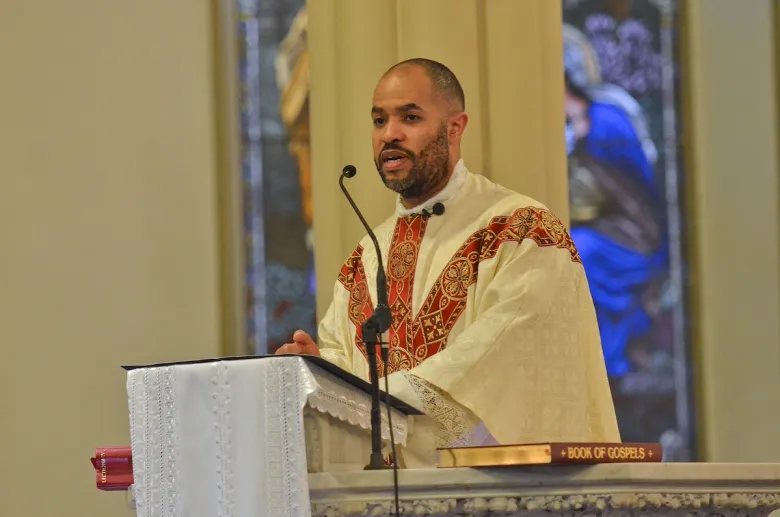
Father Robert Boxie, a priest of the Roman Catholic Archdiocese of Washington, said that when he was growing up, instilled faith values and practices like going to church were not only the norm, but a foundation of familial structure.
“Nowadays, we don’t have that,” Boxie told The Washington Informer. “We live in a society, a culture, that is less faith aware, less faith centered, and so you have children that are growing up in households [where]…faith is not part of what we do and how we raise [them].”
A product of the ‘90s, Boxie recalls when it was common to be familiar with Biblical references like the story of creation, the Ten Commandments,and Noah and the Flood, recognizing it as a generational passage to know who God is and believe in him “because that’s what you did.”
As Catholic chaplain of Howard University and the Thea Bowman Catholic Student Center, which officially opened in 2023, Boxie noted there is a desire and place for religion among youth. But the blossoming dissonance of external influences and lack of exposure only fuel a fire that youth mentor Greg Raleigh originates to “the explosion of the single family concept in the 90s.”
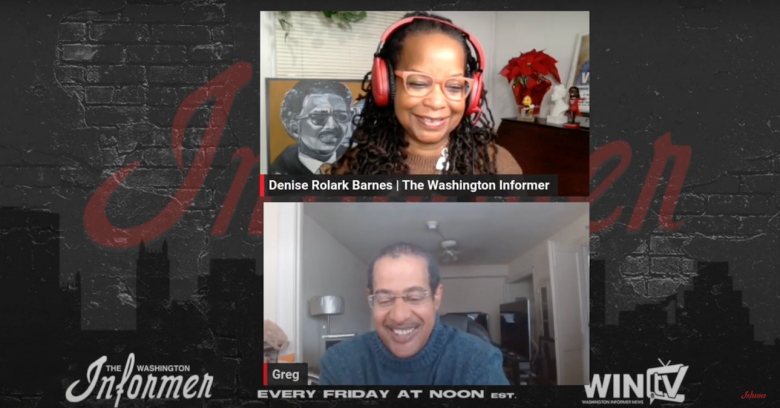
“What can you say if the city tells us we’re limited, and then the schools tell us we’re limited, and then we know the parents aren’t as active as they should be in teaching it?” said Raleigh, director of Food or Fuel. “You see the perfect storm.”
Raleigh, also founder of True-Voices, said he accepts a responsibility to teach youth how to “develop a sense of spirituality,”something he considers a natural part of child development.
Now in his 50s, the health and fitness guru reflected on his own upbringing in youth ministries, noting opportunities tolearn and present sermons which not only boosted morale and interest, but further helped children develop confidence and ambition.
Moreover, he added how an internal spiritual relationship promotes the guise of respect for self and others, which frame ideals that can influence cognition and behavior down the line.
“By about the time they get to 12, [kids have] lost all hope,” Raleigh told The Informer. “And I can tell kids that the power of hope is founded in your development of the spiritual side of your life.”
Among Lewis’ list of moral roots that can propel youth include: justice, accountability, forgiveness, compassion, and mercy, to name a few. The CEO noted some of these very principles apply in the local and national justice movements seen today, acknowledging the detriments to democratic participation that “erode gains made for equity.”
“When the president deploys to [the] National Guard to suppress peaceful protest in L.A., or threatens to arrest elected officials for holding him accountable, our faiths teach us how to protect. When the president spends our tax dollars for an unnecessary parade that will damage our infrastructure and ignores the leadership of our mayor…our faiths allow us to be empowered and prophetic, calling for better stewardship from our leaders,” she declared.
Thus, Faith in Public Life gauges an interfaith approach to promote an inclusive world and tackle political violence, such as rising attacks and threats against immigrants, students, LGBTQ+ groups, religious minorities, “BIPOC (Black, Indigenous, people of color) people,” and elected officials.
“Our faith traditions are rich with stories and teachings that help us navigate life’s challenges. But if we as leaders can’t apply those lessons to the lived experiences of young people, it’s hard for people to understand why they matter,” Lewis said.
She further denounced contradictions against love and hospitality, noting it a hindrance to the progress for intergenerational connections.
“If our churches are condemning people because of their gender expression, sexual orientation, race, ethnicity or political party,” she continued, “it comes into conflict with the more expansive relationships we now have access to.”
Reigniting the Church’s ‘Power of Influence’
While the visible decline in youth engagement is arguably harmful to faith institutions, Raleigh and Boxie propose it doesn’t bode well for modern generations either.
The True-Voices founder topped this point with another frustration forging mistrust.
“Children may not understand the balance between reality and spirituality — they know it exists, but they don’t understand it,” Raleigh explained. “So the church will tell you ‘thou shalt not steal’ and ‘thou shalt not kill,’ but then you have Hollywood glorifying stealing and killing.”
Delving on personal experiences and moments of mentorship, the longtime youth advocate spoke of his intent to teach kids how to “use spirituality for conflict resolution,” highlighting how faith-led efforts can evoke change in: gang neighborhoods, distrust of police (which he’s seen first-hand lead to lower crime rates), and the common adolescent view to see “adults as the enemy.”
“We know the power of our influence used to come through the church,” Raleigh pleaded, as he cited the political success of figures like former D.C. Mayor Marion Barry and former President John F. Kennedy — both who established a presence within faith communities. “That kind of influence we have to figure out how to regain.”
One solution Boxie touted — also proposed by Lee during the April 16 Speakout — is to restructure leadership in the church, notably addressing the older incumbents who sometimes neglect to pass the baton to the next generation.
“We also need to be honest enough to admit that’s not just a church issue,” Lee said at Metropolitan AME. “Young people don’t see themselves in [civil rights] organizations, in leadership organizations, on the pulpits, on the stage…so therefore, they don’t see a space for themselves.”
Boxie told The Informer that social justice and leadership is a natural calling for young people, making them formidable contributors in any environment where their voices are heard and needs are met. Hence, the ministry, community service, and social activities at the Catholic Student Center are all youth-led.
According to the chaplain, the benefit extends far beyond longevity, but fulfilling a deep-rooted belief that “everyone is hard-wired for God.”
“I don’t think that people know that that ache, that longing, that unfilled desire that they have, that limit that we have as human beings,” Boxie said, “that need can only be filled by the thirst for God…[through a] relationship with God.”
Raleigh’s recommendations to build the bridge center around churches leveraging expansion and communal organization, including fitness facilities, free health clinics, sporting activities, and summertime events where topics of faith can be introduced to help “lower defenses” for youth.
In the meantime, Boxie reminds all believers that the power of intergenerational collaboration is an embodiment of what it means to have faith.
“We have a duty and a responsibility, not only as people of faith, but also just as people who live in this country to take care of one another,” Boxie told The Informer. “I say to young people, don’t get discouraged. What you’re doing is sacred work, it’s holy work. It’s the work that I truly believe that the Lord, if he were down here, he would be doing with us.”
First published June 17, 2025